Heroines from history and today’s terrorists – spot the difference
Yvette Cooper, then home secretary, in July gave public support to a campaign whose supporters smashed windows in London’s Regent Street, torched mail in pillar boxes, and sent letter bombs to leading politicians.
She even posed for pictures in Parliament wearing the campaigners’ colours. Sanctified by 100 years of history, the heroic suffragettes Cooper was celebrating are today a safe cause for politicians to praise.
But on the very day of her demonstration of support for the suffragettes, she made an order banning the activist group Palestine Action on the grounds that it is a terrorist organisation. Expressing support for the group is illegal, but the Terrorism Act 2000 contains the right to challenge the ban. So discussing the ban is allowed.
The objectives of Palestine Action, as reported to the government by the security services, are to attack property and, as a principle, not to inflict violence on people. Their target was the supply of weapons used by Israel in its attacks, which killed thousands of civilians including babies, women, medics, aid workers and journalists in Gaza and the West Bank.
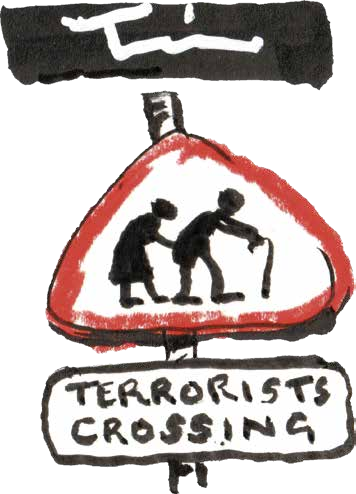
A knock-on effect of the ban has been the arrest of people demonstrating against the genocide in Gaza, calling for Palestinian freedom or criticising the acts of Israel as those reminiscent of fascism. Police officers have told people they arrest on such grounds that these are Palestine Action slogans. A Palestine support group which sends aid, like baby formula, to Gaza has had its bank account frozen!
Civil rights organisations and leading lawyers, in the UK and internationally, including the United Nations, have condemned the ban on Palestine Action. They say it is a gross violation of UN and European conventions on human rights and an unprecedented attack on civil rights. UK public opinion polls back them up.
We have seen the ludicrous spectacle of police arresting hundreds of demonstrators, many in their 70s and 80s, holding “I support Palestine Action” signs and protesting the destruction of our democratic freedoms.
Why did the home secretary do this when there are plenty of laws already for prosecuting people who damage property? One answer might be that juries were consistently returning not guilty verdicts on Palestine Action members, on the basis that their crimes were committed to prevent far greater ones.
Even the prime minister Sir Keir Starmer, when he was a human rights lawyer, in 2003 successfully defended a woman who took a hammer to fighter bomber parts bound for Iraq. Now he has banned Palestine Action for doing similar things. Could it have been because the government was about to sign a £2 billion contract with Israeli weapons company Elbit Systems, Palestine Action’s main target?


